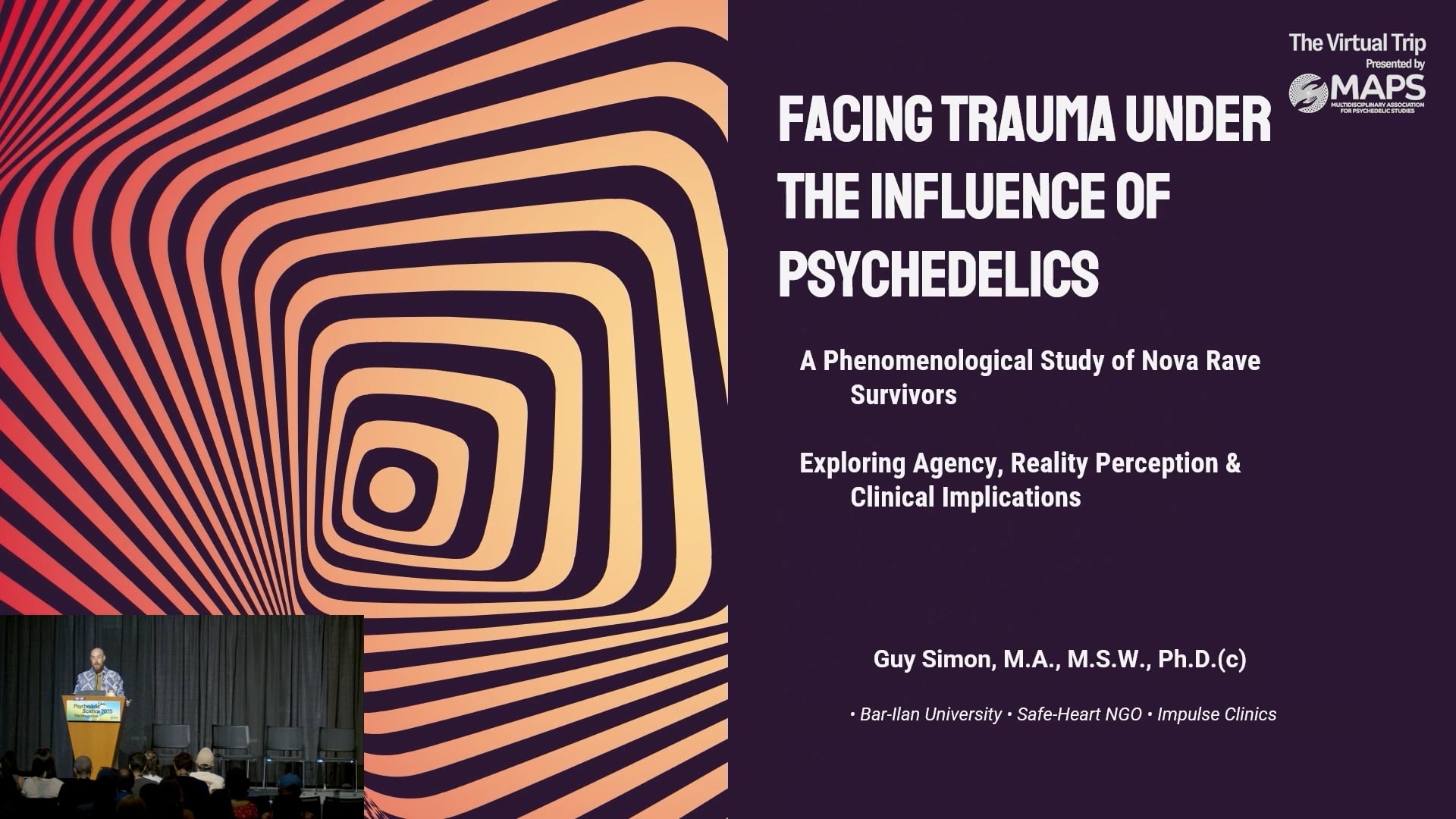
This study explores how altered states of consciousness impacted 45 survivors’ of the Nova Rave’s experiences during this traumatic event, focusing on their sense of agency, perception of reality, and subsequent trauma processing. Employing a qualitative, phenomenological approach, we conducted in-depth, semi-structured interviews with survivors who were under the influence of psychedelics, including LSD, MDMA, ketamine, and psilocybin, during the attack. The research investigates the complex interaction between psychedelic use and survival responses in extreme conditions, particularly during the attack’s peak at sunrise when many attendees were at the height of their psychedelic experience.Our findings reveal a spectrum of experiences among the survivors. The study uncovered significant variations in how psychedelics influenced survivors’ decision-making and sense of agency, with some remaining focused and others becoming more vulnerable to the sensory and emotional dimensions of the trauma. The long-term psychological effects of these experiences remain a central focus, particularly in understanding how psychedelic use during traumatic events may leave lasting imprints on memory and emotional recovery. This research highlights the need for psychedelic-informed, culturally sensitive therapeutic approaches tailored to this unique context. As psychedelic use becomes more prevalent globally, understanding its role in trauma is crucial. This study contributes to developing PTSD treatment strategies that account for the complexities introduced by psychedelics, promoting safer practices and enhancing therapeutic outcomes for trauma survivors in an evolving landscape of consciousness exploration and mental health care.