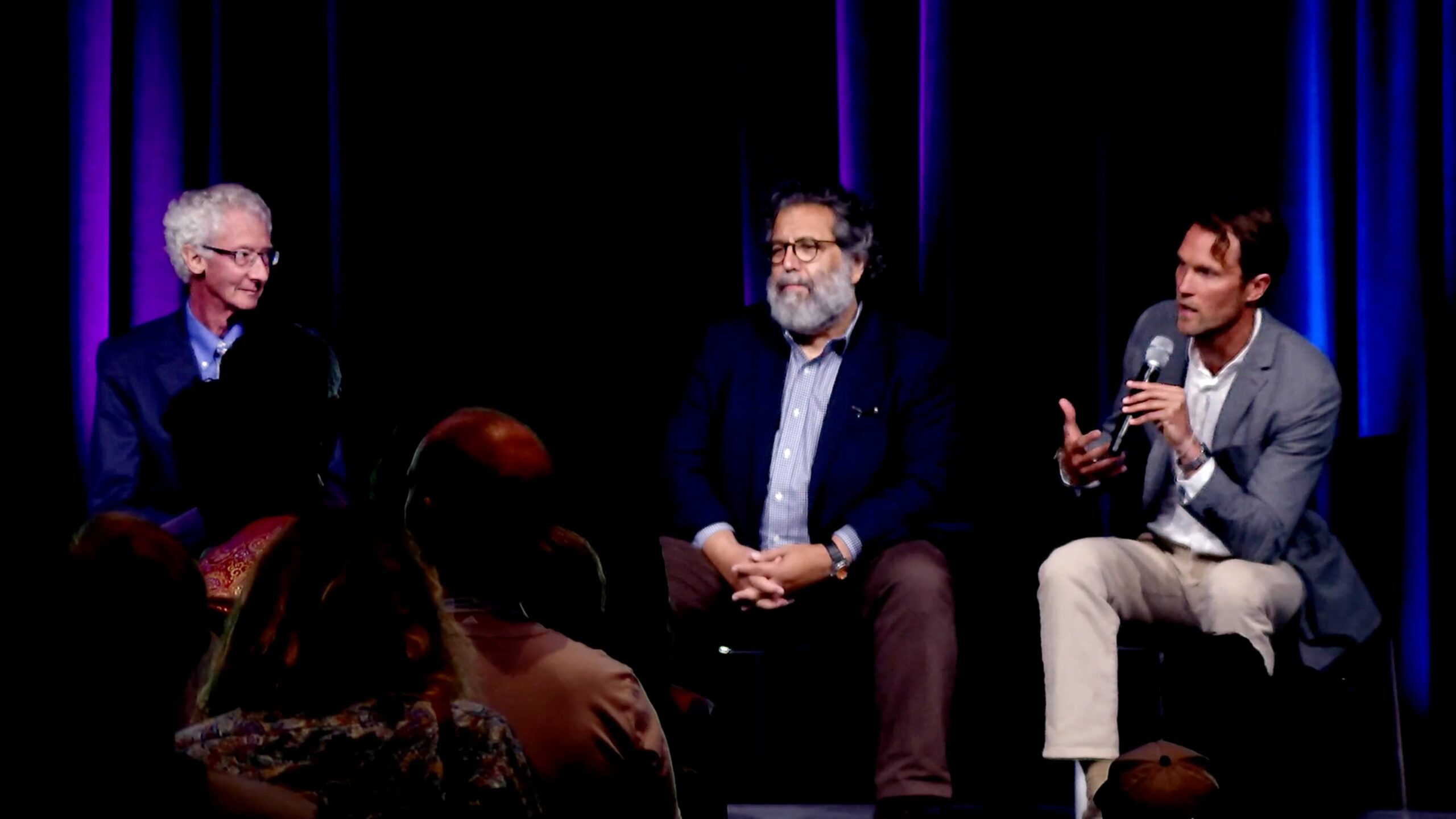
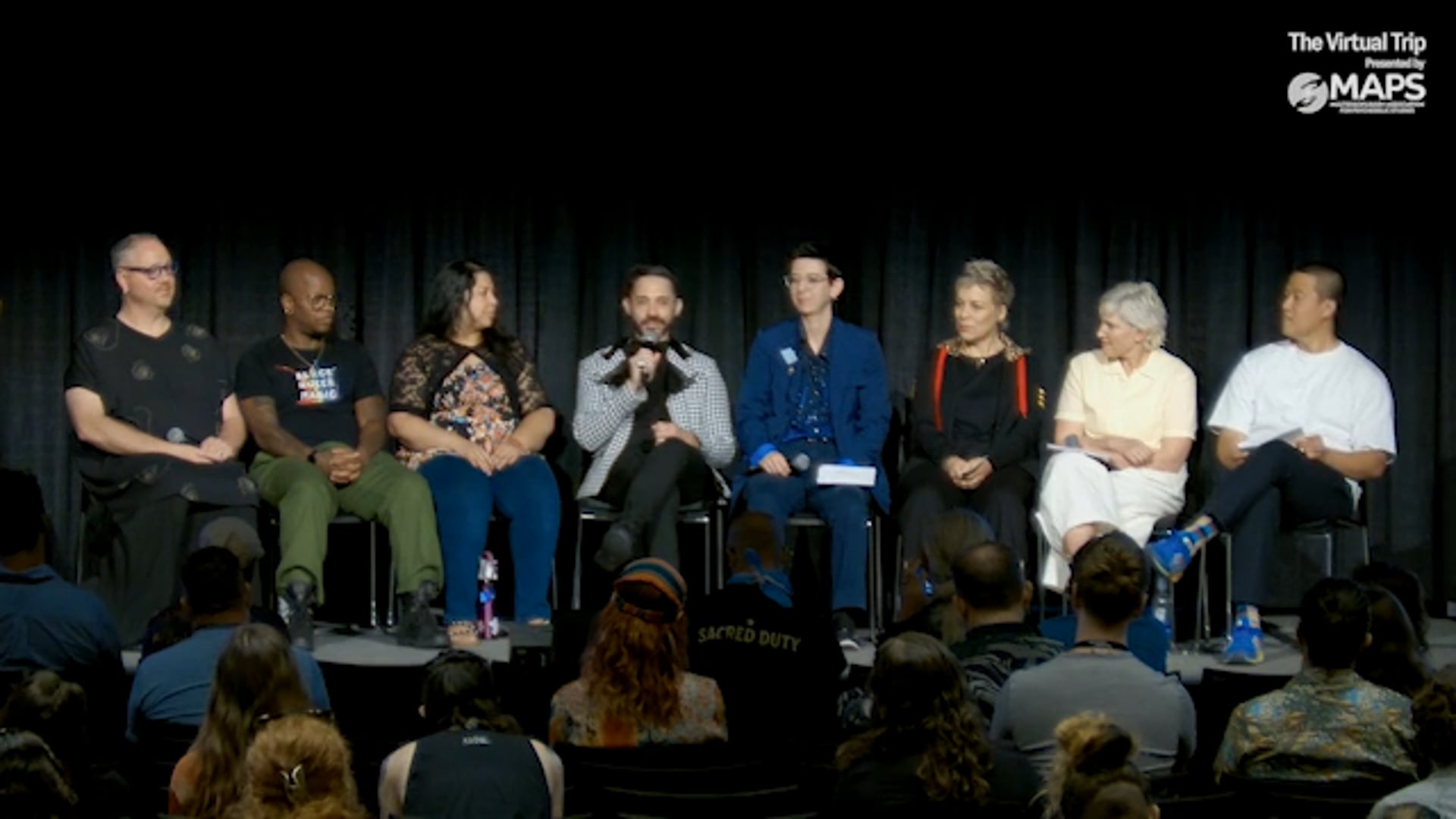
As the psychedelic movement gains traction across the United States, regions like Appalachia and the Heartland – often labeled as “flyover” or marginalized – are emerging as vital, but under-recognized, frontiers for culturally responsive psychedelic care. These landscapes are rich in complex histories, resilient cultural traditions, and deeply rooted communal values. They also bear the burdens of extractive economies, systemic neglect, and public misconceptions.This session explores the challenges and opportunities of cultivating psychedelic healing in these regions, emphasizing how local identity, history, and storytelling traditions can inform care models that are both effective and respectful. In Appalachia, placekeeping practices, folk wisdom, and diverse cultural lineages from Indigenous and Affrilachian roots to Scots-Irish balladry could offer a robust foundation for psychedelic engagement. In the Heartland, practitioners navigate spiritual, political, and economic landscapes marked by local resistance, while forging brave new paths for connection, healing, and trust-building.We examine how psychedelic practice in these regions mirrors these medicines themselves: dissolving false binaries, surfacing suppressed trauma, and enabling collective transformation. Practitioners serve as midwives to awakening in areas shaped by Evangelical structures, Southern Populism, and intergenerational wounding, from the Trail of Tears to the Tulsa Race Massacre. New models of care grounded in resilience and grassroots engagement are emerging to weave into this complex history and meet people where they are with humility and cultural fluency. By weaving together regional wisdom with emergent psychedelic practice, we invite a reimagining of the psychedelic movement as one that honors diversity not only across race and class, but across geography and worldview. Ultimately, the healing of these landscapes and the people within them is integral to the success, equity, and sustainability of the broader psychedelic movement.