Jamila Hokanson, Benjamin Kelmendi, Terence Ching, Ph.D.
Obsessive-Compulsive Disorder (OCD) is a profoundly disabling psychiatric condition, with severity that can warrant consideration of invasive brain surgery in refractory cases. While existing pharmacological treatments can provide benefit, they are characterized by significant limitations: a therapeutic lag time of 2-6 weeks, persistent residual symptoms even among treatment responders, and adverse effects that often compromise treatment adherence. Recent research suggests psilocybin may offer a promising therapeutic approach, with studies demonstrating acute and sometimes enduring clinical benefits following single-dose administration. Here, we present results from clinical studies investigating psilocybin as a treatment for OCD and mechanisms underlying therapeutic effects in three parts. In part 1, we present neuroimaging changes in default mode network connectivity and their relationship to symptom improvement, in a double-blind, placebo-controlled design with single weight-based psilocybin dosing. In part 2, we will present preliminary safety, feasibility/tolerability, and efficacy data from our ongoing clinical trial of repeated, fixed-dose psilocybin administrations combined with non-directive support for OCD with a waitlist-controlled design. In part 3, we will present a mixed-methods case series comparing non-responders vs. responders from our aforementioned psilocybin-OCD trials in an effort to identify plausible predictors of treatment response.
Become a MAPS Member with a monthly donation
As a Member, you’re not just making a donation — you’re joining a community that is at the forefront of advancing research, changing policy, and evolving education around psychedelics. Join us in shaping a future where these life-changing tools are available to those who need them most.
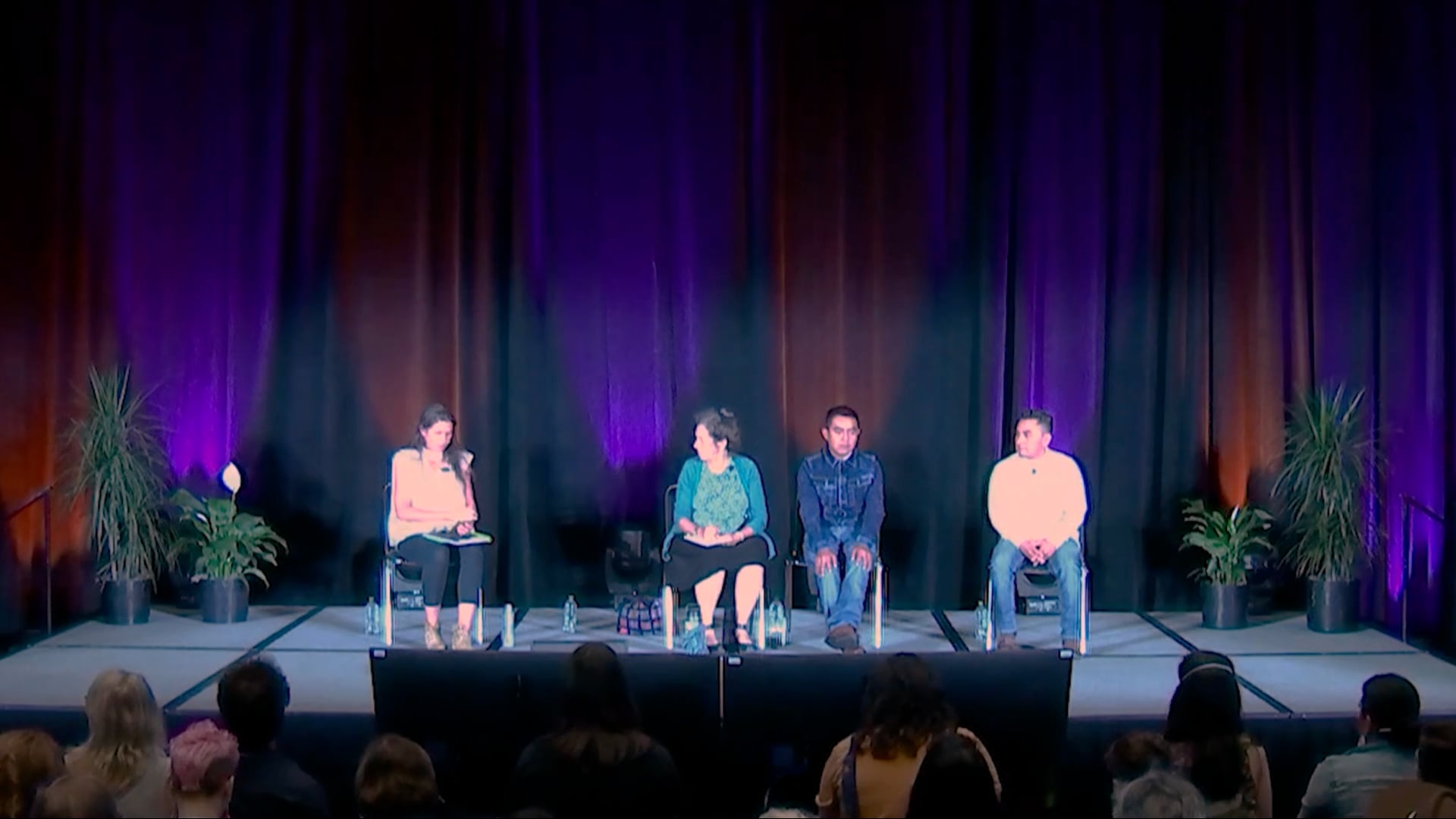
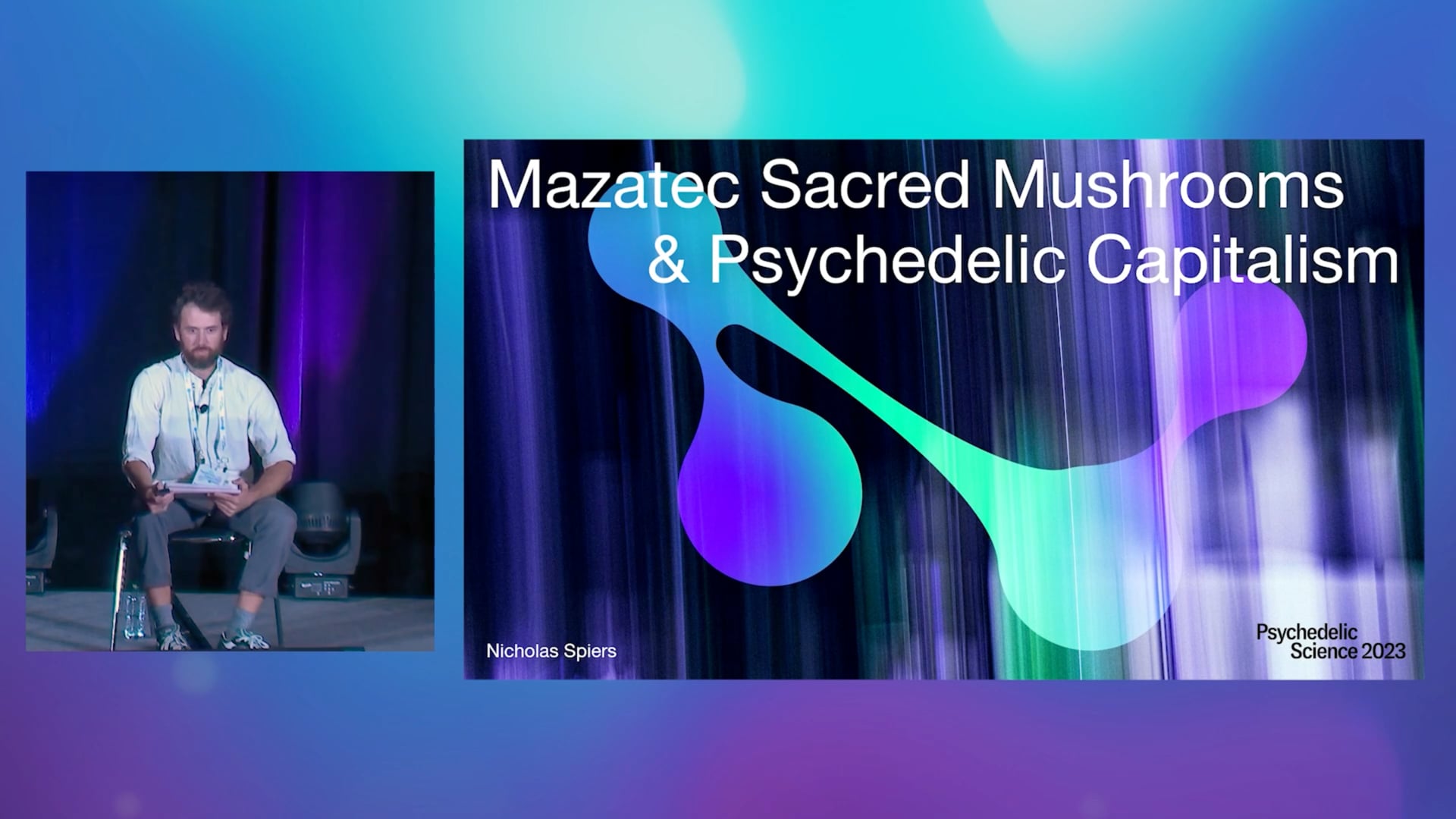
Mazatec people's traditional psilocybin healing ceremonies were disrupted by unwanted visitors post-1957 Life Magazine article, impacting their community and raising concerns about intellectual property in the current psychedelic revival.
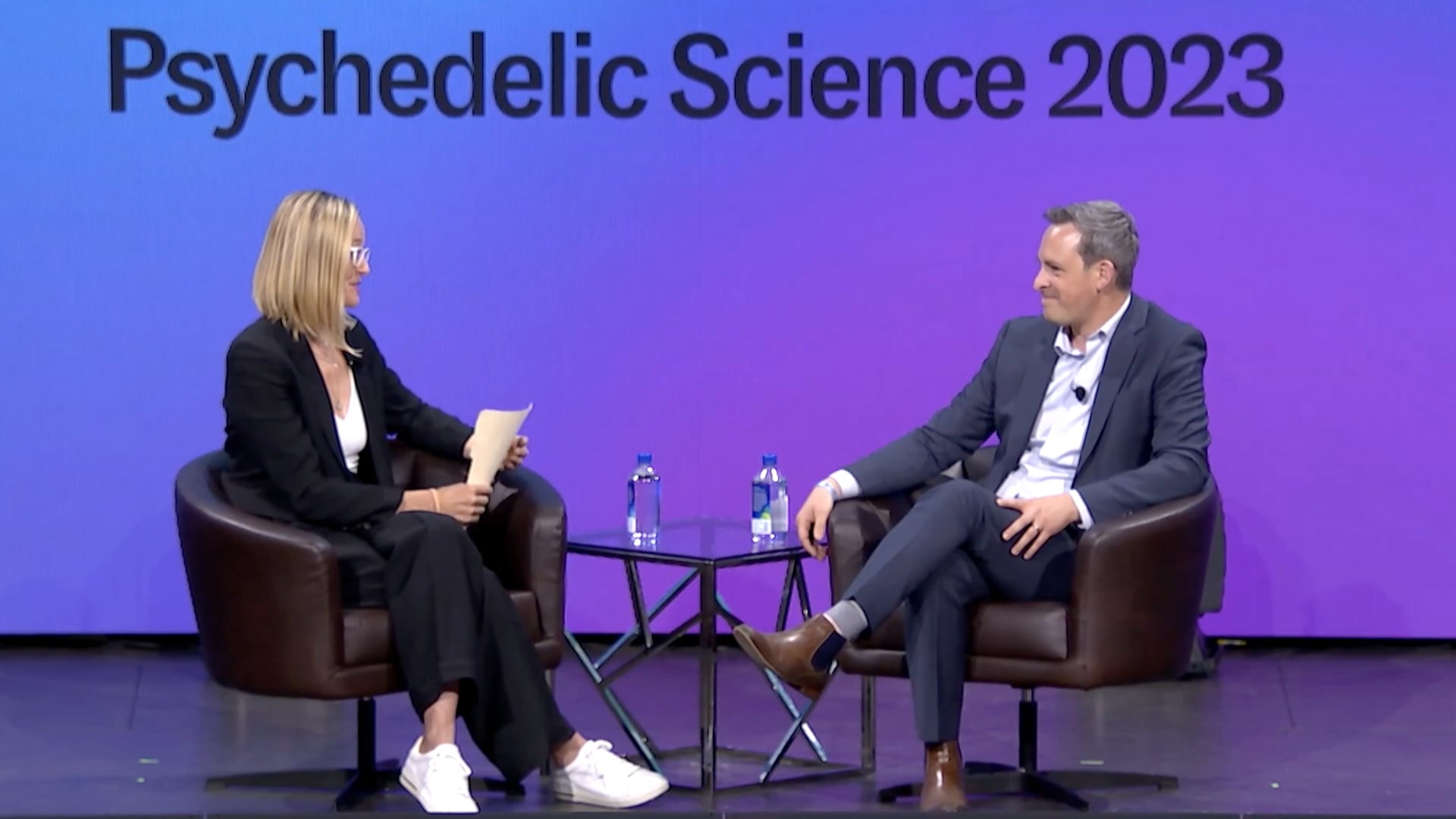
Colorado becomes first state to regulate access to psilocybin, ayahuasca, mescaline, and ibogaine after passing Natural Medicine Health Act. Christiana Musk interviews Senate President Fenberg on implications and challenges.
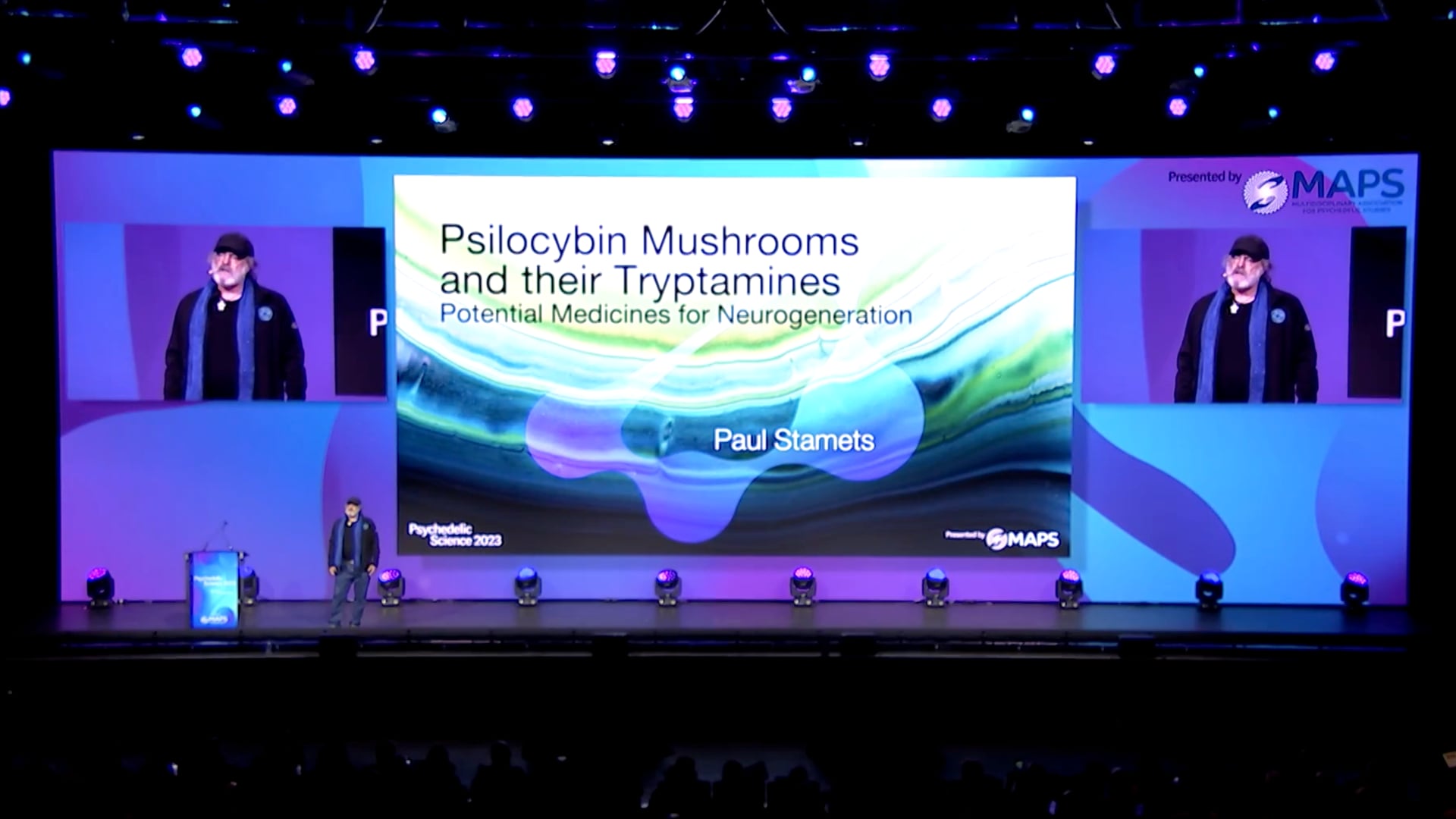
Paul discusses the historical use and potential for neurological health of psilocybin mushrooms, based on his team's molecular research and clinical studies at MycoMedica Life Sciences.
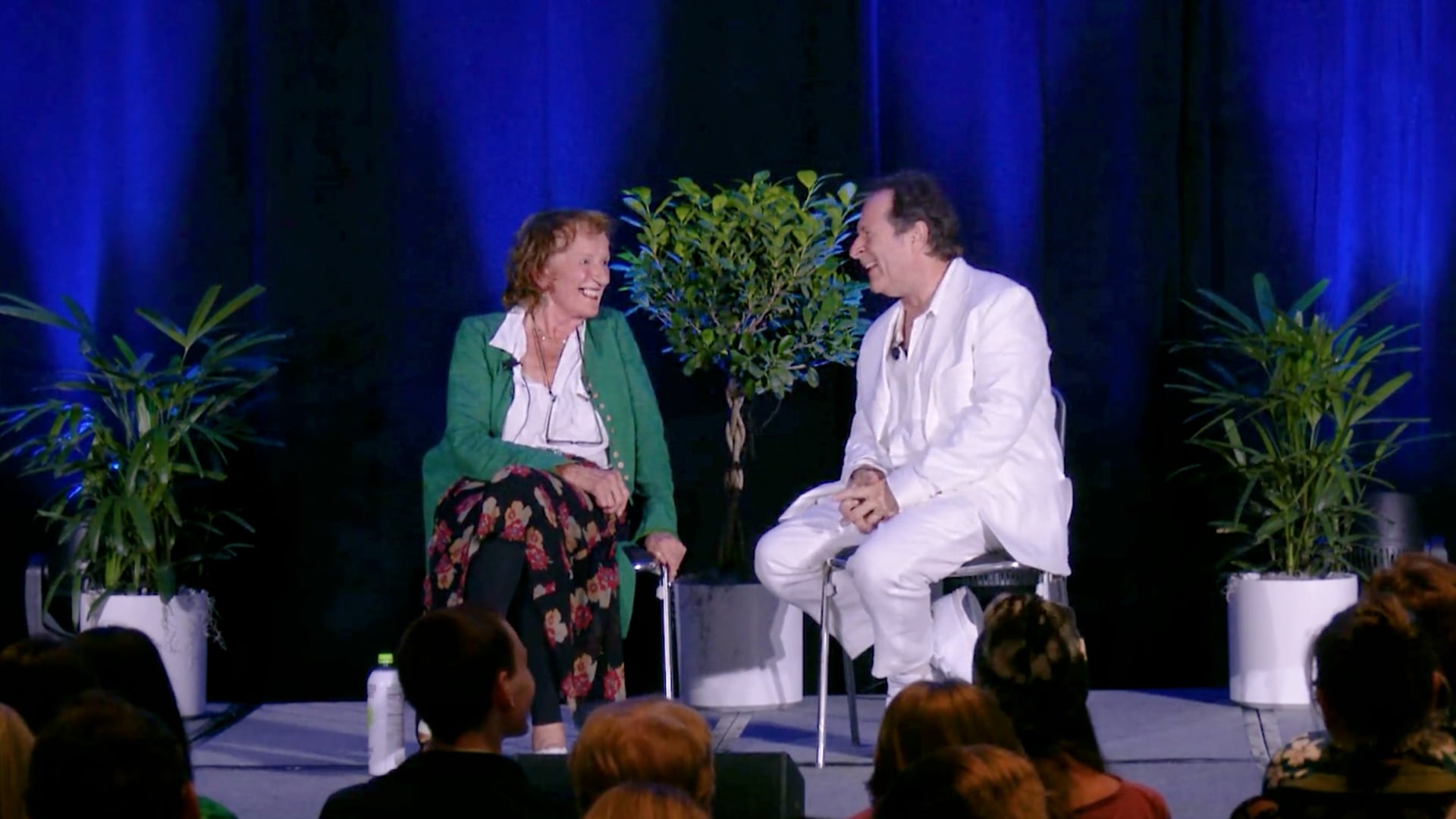
Amanda Feilding, Founder of the Beckley Foundation, drives the Psychedelic Renaissance with groundbreaking research programs at top institutions worldwide, including pioneering studies on psilocybin, LSD, MDMA, and DMT.
Research on psilocybin mushroom use in Mesoamerica explores archeological evidence from Maya, Mixtecs, and Aztecs through various sources, aiming to encourage interpretations based on scientific evidence and a humanistic approach.
Comparison of psilocybin mushroom conceptions in Global North research and Mazatec culture, exploring impacts of commercialization on Indigenous communities and proposing solutions for addressing colonial legacies in psychedelic industry.
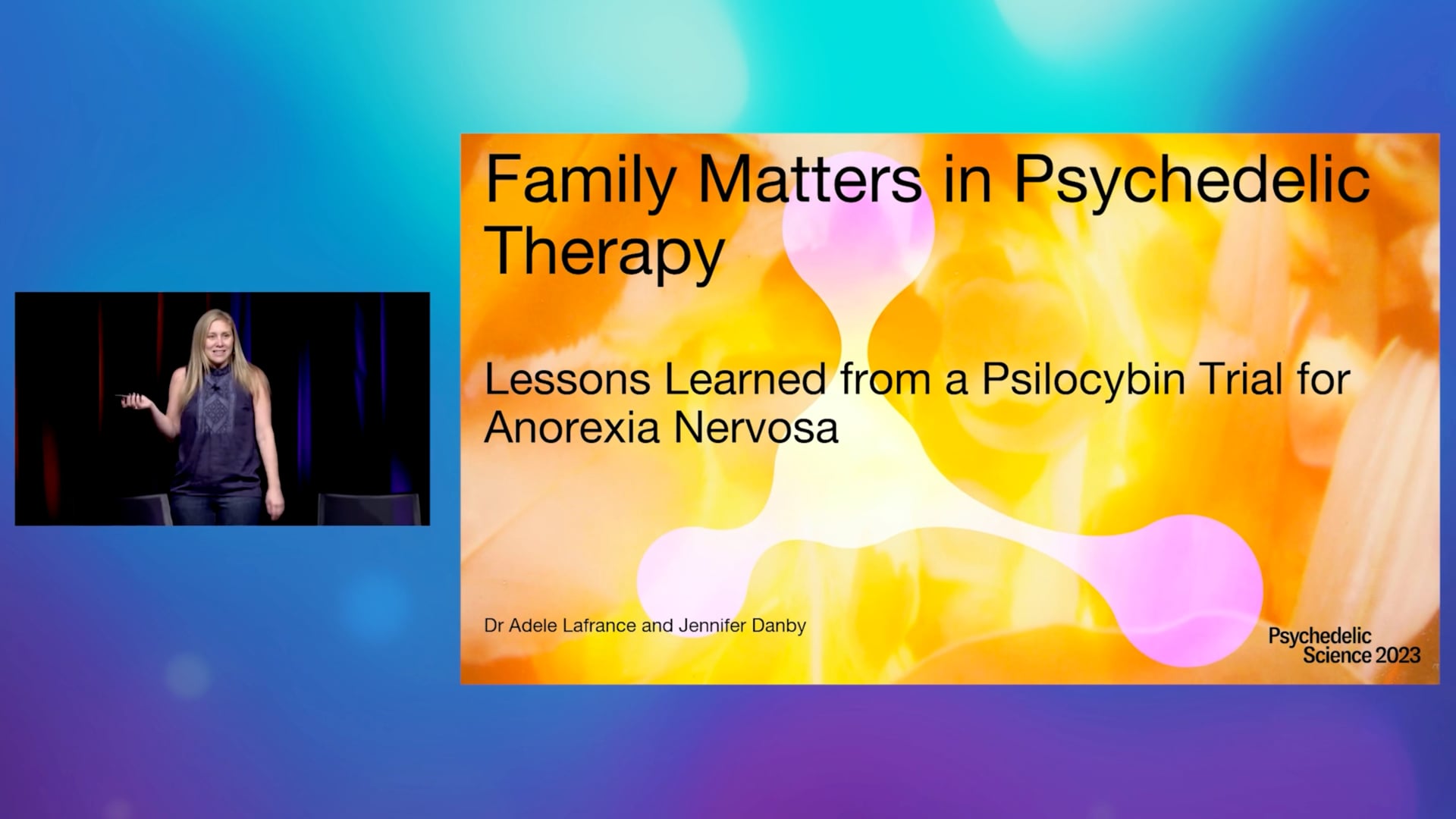
Family involvement in psychedelic therapy can optimize outcomes and prevent problematic patterns. Ethical, neurobiological, and psychological aspects, along with clinical trial data, support the benefits of engaging family members.
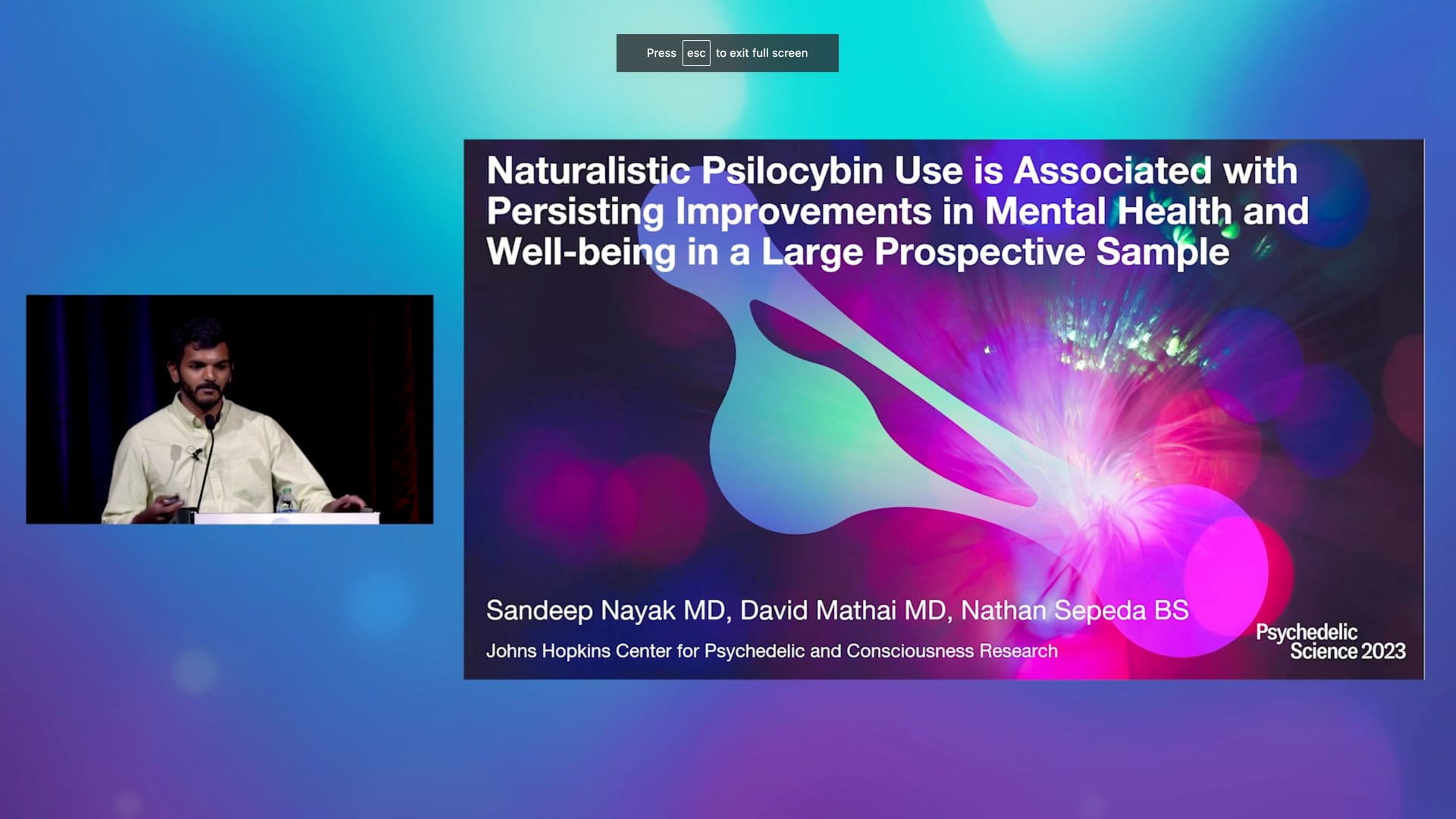
Results from the largest prospective survey of psilocybin use show that 30% of participants found the experience highly meaningful at 2-4 weeks, with positive effects on mental health persisting at
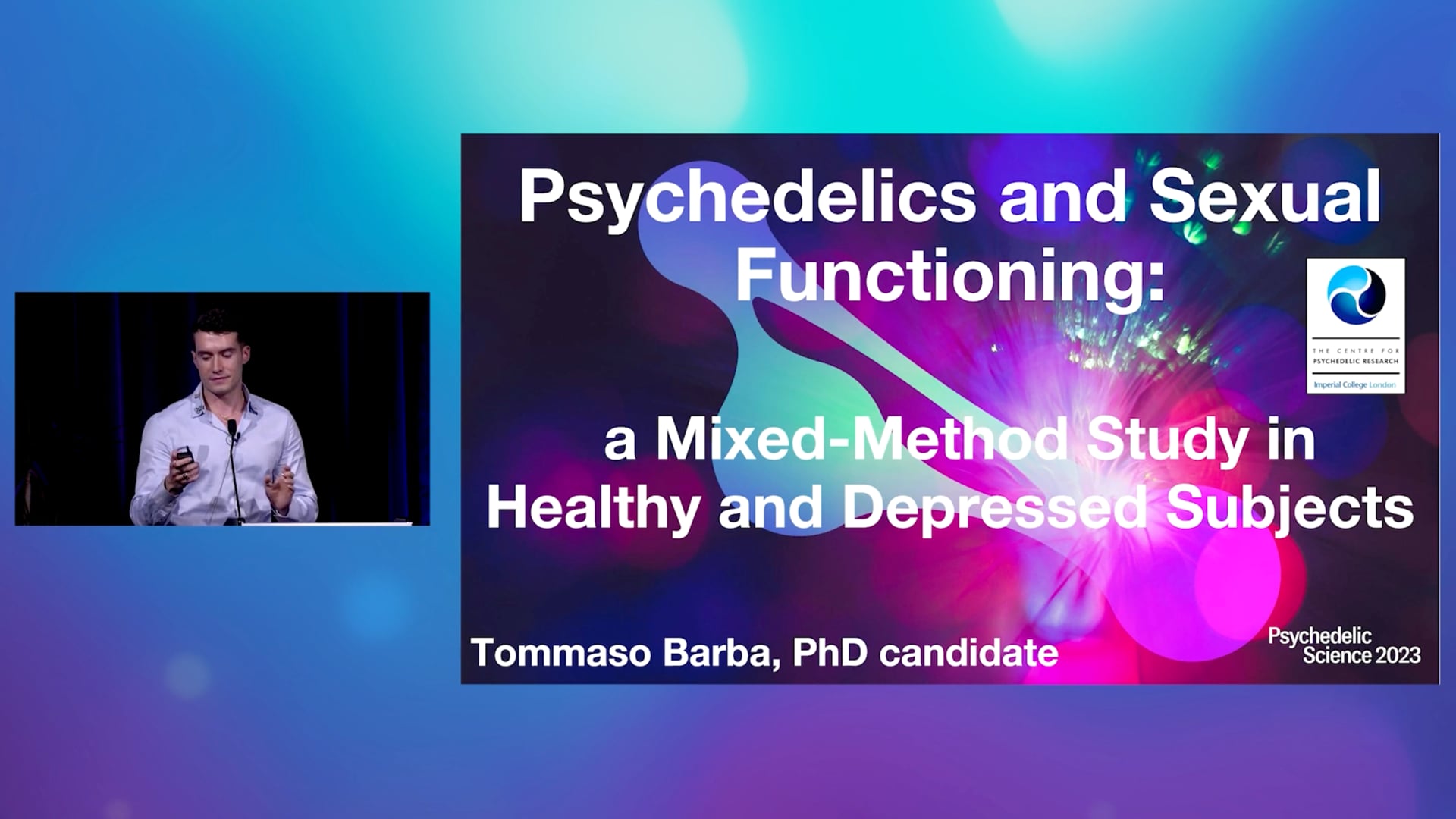
Psychedelics, historically linked to "free love", show potential for positive impact on sexual feelings. Recent research suggests psilocybin may enhance sexual functioning and satisfaction in healthy and depressed individuals.